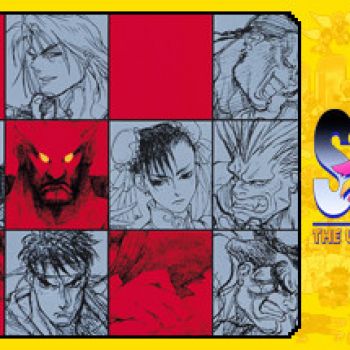
Overview of Street Fighter II
Street Fighter II remains one of the most celebrated titles in the fighting game genre. First introduced in arcades, the game set a benchmark for competitive play and character diversity. Even today the title is celebrated by both veteran players and newcomers who appreciate its balanced combat system and iconic roster.
The game invites players to select from a range of distinct fighters, each with a unique set of moves and fighting style. The core of the experience is a one on one duel where timing, positioning and knowledge of each character’s strengths determine the outcome. The simple yet deep combat mechanics have made Street Fighter II a timeless classic that continues to be featured in tournaments and retro gaming events.
What Makes the Gameplay Engaging
Street Fighter II thrives on a blend of strategic depth and fast paced action. The game rewards players who learn to read their opponent and adapt on the fly. Successful combat relies on a few key principles.
Understanding Move Ranges
Each fighter possesses attacks that vary in distance. Some moves are short range and excel at close combat while others reach farther and can control space. Learning the reach of each attack allows a player to keep the opponent at a disadvantage and to punish mistakes.
Managing Health and Stamina
The health bar is the most visible indicator of progress in a match. While Street Fighter II does not feature a stamina meter, the timing of special moves can leave a fighter vulnerable. Overusing powerful attacks without proper spacing can lead to a counterattack that reduces health quickly.
Utilising Special Moves Wisely
Every character has signature special moves that can turn the tide of a battle. These moves often require precise input and have a higher risk if missed. Using them at the right moment, such as after a successful block or when the opponent is recovering from a missed attack, maximises their impact.
Practical Tips for New Players
For those stepping into the world of Street Fighter II for the first time, a few practical guidelines can accelerate the learning curve.
Start with a Balanced Fighter
Select a character that offers a mix of close and long range attacks. Balanced fighters provide a solid foundation for learning the game mechanics without being overwhelmed by extreme speed or power.
Practice Blocking and Countering
Blocking is essential for reducing damage from incoming attacks. Spend time in practice mode learning how to hold the defensive position and respond with a counterattack. Timing a counter after a successful block is a core skill that separates beginners from experienced players.
Focus on One Character at a Time
While the roster is tempting to explore, mastering a single fighter first helps develop muscle memory for move inputs and situational awareness. Once comfortable, expand the roster to discover new strategies.
Watch Replays and Learn From Others
Observing matches played by skilled opponents provides insight into advanced tactics. Pay attention to how they manage spacing, how they set up special moves and how they recover after a loss of health.
Replay Value and Community Appeal
Street Fighter II offers a level of replayability that keeps players returning for more. The competitive nature of the game encourages endless practice and improvement. Local versus mode allows friends to test their skills directly, while online platforms have revived the classic experience for a global audience.
The community surrounding the title is vibrant, with regular tournaments, fan art and discussion forums. Players often share strategies, create custom challenges and celebrate the legacy of the game. This ongoing engagement ensures that Street Fighter II remains relevant even as new fighting games emerge.
Frequently Asked Questions
Is Street Fighter II suitable for complete beginners?
Yes the game is designed with a learning curve that welcomes new players. The basic controls are straightforward and the tutorial modes provide a gentle introduction to the core mechanics.
Can I play Street Fighter II on modern devices?
The title is available through various retro emulation platforms and official re‑releases that support contemporary hardware. Check the official source for compatible versions.
What is the best way to improve my ranking in online matches?
Consistent practice, focusing on a single character, and studying opponent patterns are key. Additionally reviewing replays of both victories and defeats helps identify areas for improvement.
Are there any hidden techniques that can give me an advantage?
Advanced players often use frame data knowledge to execute moves at the exact moment an opponent is vulnerable. While this requires deep study, mastering timing and spacing can provide a significant edge.
How does Street Fighter II compare to newer fighting games?
Street Fighter II set the foundation for many mechanics seen in modern titles. While newer games may offer more complex graphics and additional features, the core principles of timing, positioning and strategic use of special moves remain central to the experience.